Make new discoveries
Our interdisciplinary research connects psychology, medicine, anthropology, public health, neuroscience, and other scientific fields to answer questions, build understanding, and lead innovations that reduce harm and promote wellbeing. Here you can explore our active research and collaborative work making a difference in people's lives.

Did you know?
The Kinsey Institute offers a variety of awards and fellowships to support research that uses our Library & Special Collections.
What we study

Aging
We explore how aging impacts sexual health, loneliness, relationship dynamics, and intimacy, enabling a positive approach to sexuality and connection in the later stages of life.
Read more
Condoms & Protection
We study the effectiveness, usage patterns, and social dynamics surrounding condoms and other types of protection, aiming to improve access and use for safer sex.
Read more
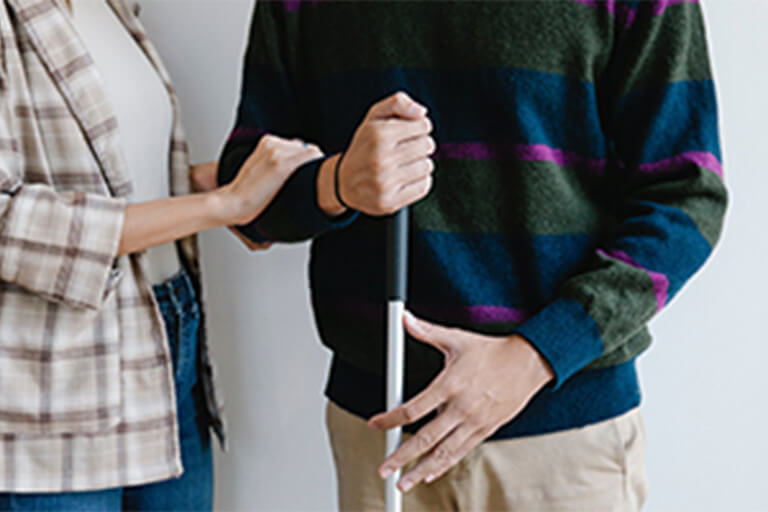
Disability
We give much-needed attention to understanding and improving the intimate lives and sexual wellbeing of people with physical disabilities and other conditions, such as epilepsy and autism.
Read more
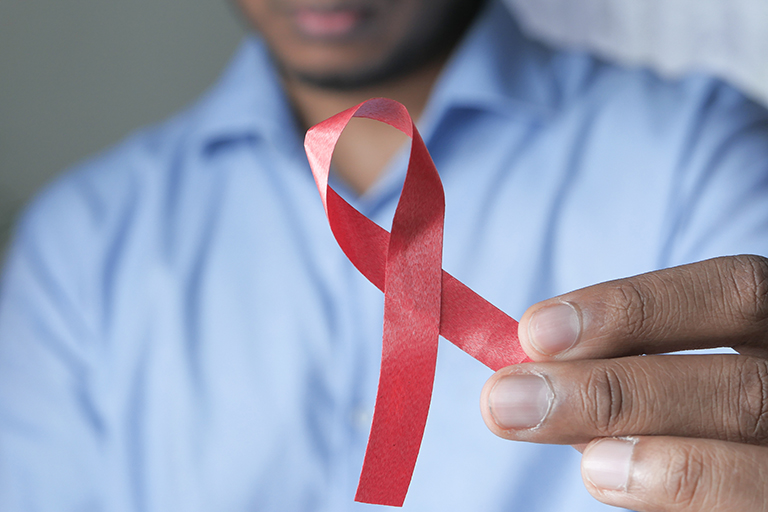
HIV/AIDS
We help break down barriers to HIV prevention, testing, and treatment through research that provides practical resources, education, and support that enables people to protect their health and each other.
Read more
Mental Health
We study how factors like loneliness, trauma, LGBTQ+ stigma, body image, and social structures affect individual well-being and relationships and assess interventions for suicide prevention and sexual assault victim support.
Read more
Online Dating
We collaborate with companies to analyze shifting societal trends, user attitudes and behaviors, and influence of new technologies to understand modern romance and share insights on dating decisions.
Read more
Pregnancy Planning
We research a wide range of influences on pregnancy, including birth control access and use, drivers and motivations for getting pregnant, public attitudes to abortion, shifting demographic fertility trends, and risk factors for unplanned pregnancies.
Read more
Sexology
We integrate insights from biology, psychology, and social sciences to explore the complexities of desire, arousal, attraction, and connection, examining everything from infidelity and hookup culture to how hormones like oxytocin shape love, bonding, and sexual identity.
Read more
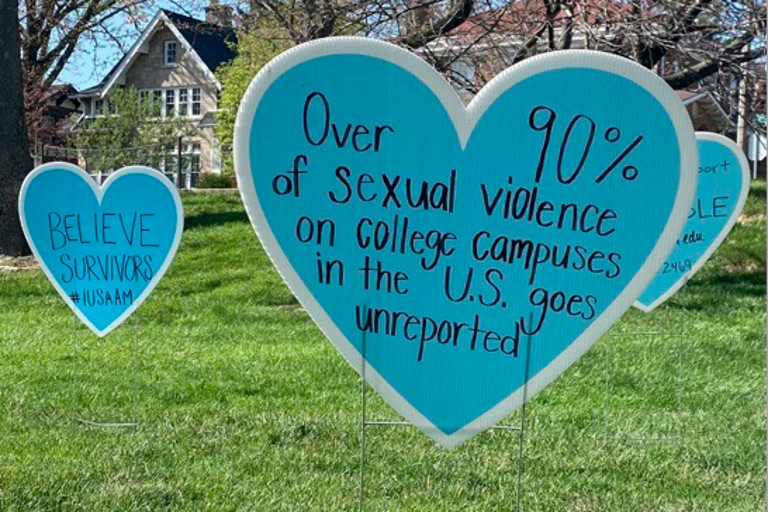
Sexual Violence
We examine the causes, impact, and prevalence of sexual violence, focusing on supporting victims, identifying risk factors for perpetration, and promoting consent to inform policy and prevention efforts that reduce harm and promote justice.
Read more
Technology
We explore how technology is shaping trust, communication, intimacy, and connection, examining the role of AI, social media, and sextech in modern relationships as well as challenges like online harassment and misinformation.
Read more
Trauma
We investigate how trauma disrupts mental, physical, and sexual health and conduct collaborative research with clinicians to improve support and clinical care for survivors as well as identify new treatments.
Read more
Workplace Culture
We study issues such as pay inequities, power differentials, harassment, and misconduct to provide business leaders with tools to foster safe, healthy, and inclusive work environments with productive relationships.
Read moreResearch teams
- Condom Use Research Team
- Disability and Sexual Health Initiative
- Kinsey-Kelley Center for Gender Equity in Business
- LGBTQ Mental Health Research Initiative
- Relationship Dynamics and Social Life Project
- Romantic and Sexual Relationships Lab
- Sexual Assault Research Initiative
- Socioneural Physiology Lab
- Traumatic Stress Research Consortium
- Virtual Intimacy, Behavioral Engagement, and Sexuality Research Team
Historically significant research

The Kinsey Scale
The Kinsey Scale was developed in 1948 to account for research findings that showed people did not fit into exclusive heterosexual or homosexual categories.
Read more
Dual Control Model
Developed at the Kinsey Institute, this model of sexual response proposes our sexual decision-making is governed by competing drives of inhibition and excitation.
Read more
Penis Size Bibliography
A selected bibliography of research resources compiled in response to frequent questions we receive at the Kinsey Institute about human penis size.
Read more
COVID-19
A collection of research investigating and documenting the effects of the pandemic on our sexual and romantic lives and long-term effects on our emotional and mental wellbeing.
Read moreHow is our research conducted?
Most of our research is conducted via online surveys. For some in-person studies, we measure basic physiological markers like heart rate, hearing levels, and eye dilation. Any study conducted by Kinsey Institute researchers that involves human subjects must pass review by the Indiana University Institutional Review Board and meet strict standards regarding safety, confidentiality, and potential impact on participants conducted according to social science research best practices, Indiana University policies, and federal guidelines. These reviews are standard practice at research universities and academic institutions to protect the wellbeing of individuals who participate in research. You can read Indiana University’s policies and procedures here.
Make an impact
Would you like to contribute to the world's understanding of sex and relationships? Help advance research and support preservation at the Kinsey Institute with a gift today.